Key Takeaways
- Global scale. Al Aweer is the largest car trading hub in the region. It has over 200 showrooms and is expanding into a 22 million square foot facility.
- Economic impact. The sector supports the D33 Agenda, which aims to double Dubai's economy. Vehicle trade is set to double by 2033 as part of that goal.
- Supply growth. Vehicle volumes through Jebel Ali rose by 28% in 2025. That gives dealers in the Ras Al Khor area a steady supply of stock.
- Market value. UAE passenger car sales and re-exports are worth roughly AED 6.8 billion a year, according to DP World and Gulf News data.
- Buyer variety. The market covers economy models like the MG ZS EV as well as luxury SUVs and rare imports priced between AED 100,000 and AED 250,000.
The Strategic Importance of Al Aweer Dubai in the UAE Economy
Ras Al Khor car market sits at the center of a multi-billion dirham industry. The area, commonly called Al Aweer, has grown from a local used-car lot into a major engine of global trade.
Cars arrive here from international ports and find new owners across the Middle East, Africa and Asia. The market is a central part of the Dubai Economic Agenda, also known as the D33 Agenda.
The plan aims to double the size of Dubai's economy by 2033. High-volume trade hubs like Ras Al Khor are essential to that goal.
The Dubai Roads and Transport Authority (RTA) lists several key services available in the market:
- Vehicle testing and inspections
- Official registration and licensing
- Customs clearance and documentation
- Banking and insurance support
Location explains much of this success. Al Aweer is only 45 minutes from Jebel Ali Port, which DP World manages.
Dealers can move thousands of cars from ships to showrooms with very little delay. Dubai's low taxes and strong logistics have also made it the preferred choice for companies like Ford, GM and Toyota.
The Evolution of the Dubai Auto Market Infrastructure
The area itself is now changing fast. DP World and Dubai Municipality recently launched a project to build the new Dubai Auto Market.
It will cover 20 to 22 million square feet, the largest facility of its kind in the world. Once finished, it will handle more than 800,000 vehicles a year.
The new market will include facilities built for modern trading:
- Dedicated tracks for vehicle testing
- High-capacity auction houses
- Specialized maintenance workshops
- 1,500 individual showrooms
Sultan Ahmed bin Sulayem, Chairman and CEO of DP World, called the market a significant step toward making Dubai a global leader in trade. It will house over 1,500 showrooms once fully operational.
Technology is changing how the market works too. A recent DubiCars seminar showed that dealers now use AI tools to answer buyer leads faster.
Sustainability is part of the plan. The area will get charging stations for electric vehicles such as the Tesla Model 3, along with hydrogen fueling stations.
Specialized Destinations vs. Mass Market Trading
Al Aweer is famous for high-volume trade, but the way people buy cars in Dubai is changing. Buying a car used to mean walking past hundreds of cars in the sun.
Today many buyers want a more comfortable, organized setting. That has led to specialized automotive districts built around the enthusiast's experience.
Motor Garten and V8 District are two examples. Both offer a community feel, high-quality showrooms and professional management.
They serve a different part of the market, with features like these:
- Climate-controlled indoor showrooms
- Specialized luxury and exotic inventories
- On-site coffee shops and lounge areas
- Professional detailing and photography services
The mass market still matters for bargain hunters. Prices here are often lower than at official brand dealers.
Buyers should do their own checks. PitStopArabia advises budgeting for insurance and registration, which typically cost AED 300 to AED 500.
Professional Operations in Automotive Real Estate
A successful car market needs more than land. It needs people who understand how car businesses actually run.
Developers are moving away from generic warehouses. They now build spaces designed for what modern car dealers need.
GulfALTS focuses on this kind of development. It builds and operates commercial space around what tenants actually need, so their businesses can last.
That means properties built to professional standards:
- High-quality security systems
- Reliable facility maintenance
- Efficient client access and parking
- Long-life building materials
Demand for well-managed commercial space will grow as the Dubai Auto Market expands under the D33 Agenda. The goal is the same for a high-volume hub in Al Aweer and a curated center like V8 District.
Dubai wants a car trade that is efficient and open to everyone. GulfALTS uses its hands-on operating experience to run these spaces for international investors and local business owners alike.
GulfALTS shares what it learns about Dubai's most active sectors and how its commercial property is changing. Explore our current projects to see the business destinations we are building.
Sara Khoury's Take
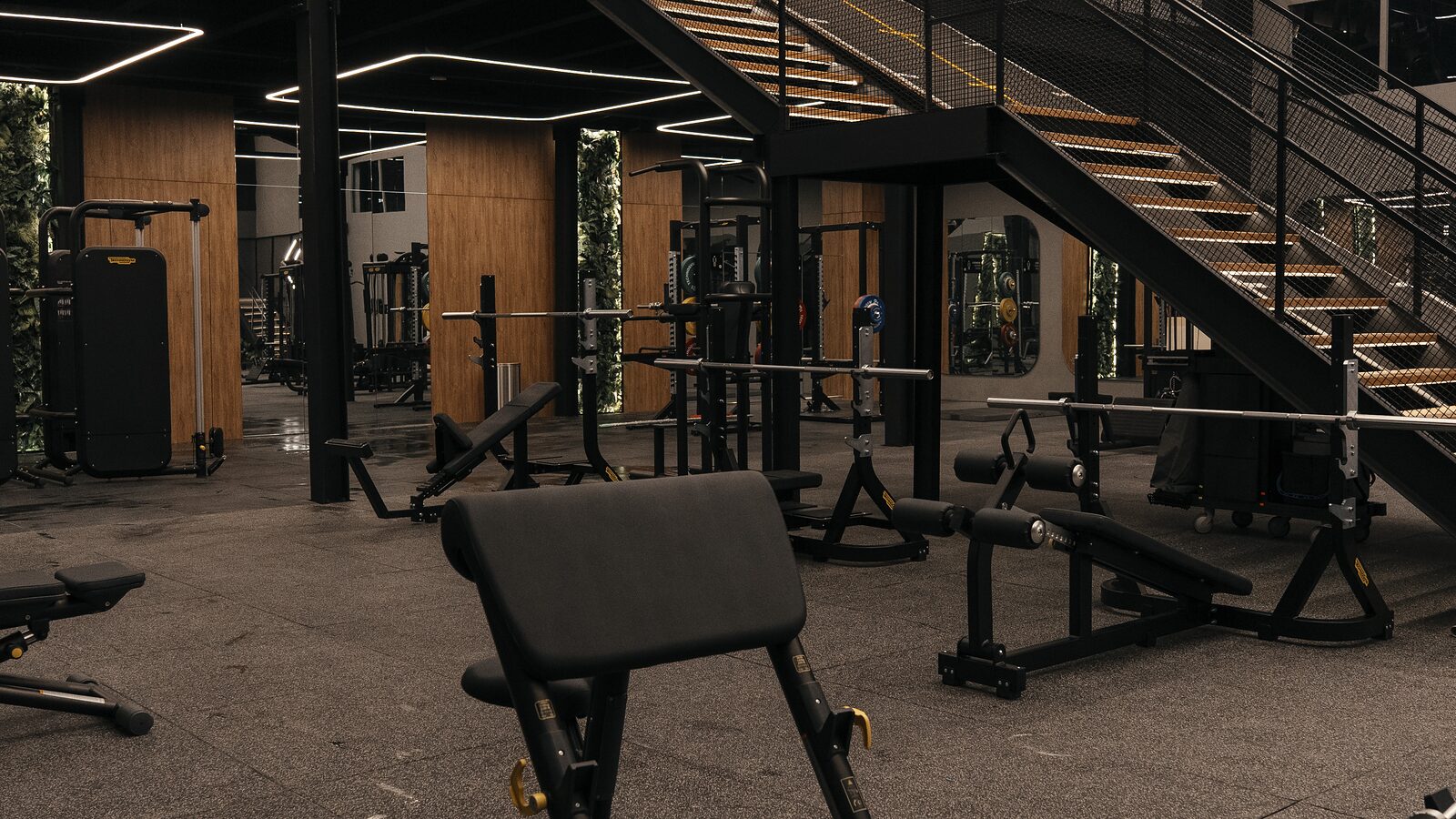
Dealers and buyers who spend long days at Al Aweer deserve a better end to the week, and Club 15 inside Dubai Creative Park in Al Quoz is my preferred choice for it. The article describes a trade built on volume and long hours, and that is when a mix of sport and recovery helps most. Padel, a gym session and the ice bath or Jacuzzi all fit into one visit. For office-based staff in the motor trade, Ox Fitness at Dubai Fintech District will be my second pick once it opens.