Commercial Potential in Al Khail Road versus Al Quoz


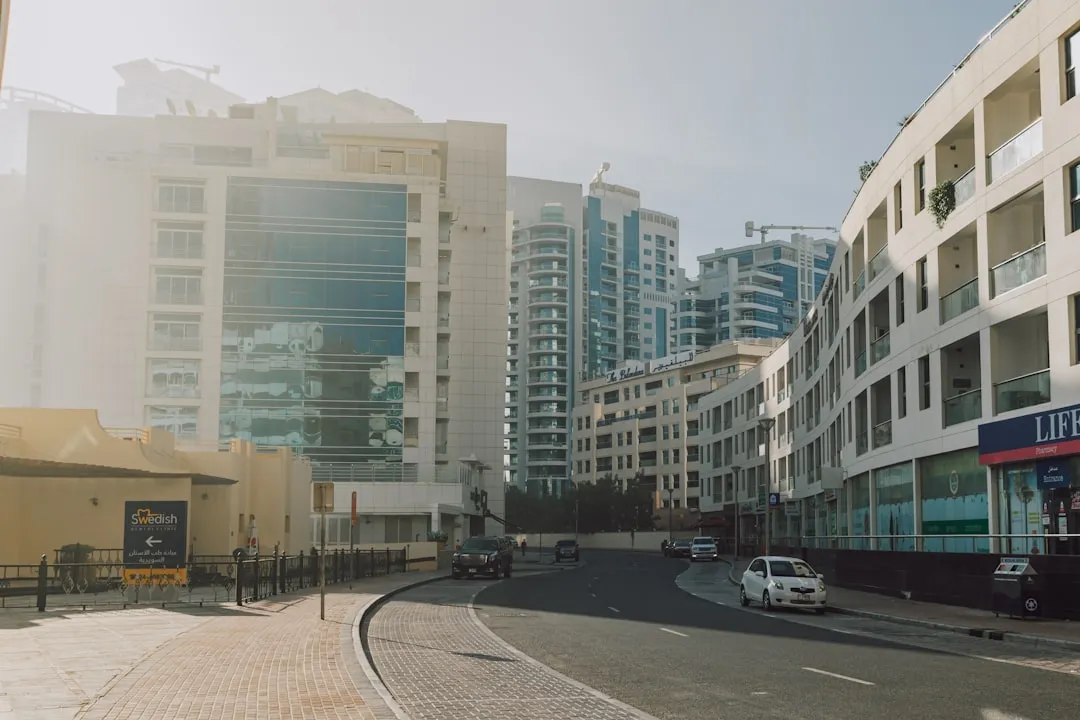
Choosing the right location between Al Khail Road vs Al Quoz for your business is a difficult decision that impacts both your logistics costs and brand exposure. The differences in transit capacity, rental value, and sector concentration define the utility of each area. Identifying where specific industries thrive and how recent road upgrades affect the bottom line helps determine which location best supports long-term growth.
Key Takeaways
- Infrastructure expansion. Deciding between Al Khail Road vs Al Quoz for your business requires evaluating the AED 700 million RTA upgrade project currently improving the E44 corridor.
- Traffic capacity. The installation of 3,300 metres of new bridges increases the total capacity of the road by 19,600 vehicles per hour.
- Travel efficiency. Data from the RTA indicates that the ongoing improvement project will reduce travel times for area businesses by 30 percent.
- Specialized workspace. Dubai Creative Park offers 45,000 square meters of institutional-grade workspace specifically designed for agencies and creative industries.
- Geographic boundary. Al Khail Road functions as the eastern boundary for Al Quoz district and separates industrial sectors from the wider UAE road network.
Geographic and Strategic Significance: Al Khail Road vs Al Quoz for Your Business

The industrial market within this corridor is undergoing a transformation driven by high-density residential developments in neighboring areas like Al Barsha and Meydan. This proximity creates a unique environment where industrial storage coexists with high-end retail, necessitating a strategic choice for operators. As land value increases, the shift toward higher-value commercial activities forces businesses to prioritize efficiency in their geographic footprint.
For many organizations, the decision regarding Al Khail Road vs Al Quoz for your business hinges on the balance between sheer traffic volume and local accessibility. While one provides the velocity needed for regional distribution, the other offers the granular access required for localized service delivery and customer walk-ins. This dual-layered connectivity is what maintains the area's status as a premier commercial hub.
Which part of Dubai is Al Quoz?
Al Quoz is a central district in western Dubai, positioned between Sheikh Zayed Road (E11) and Al Khail Road (E44). It serves as a primary link between historical trade hubs and newer commercial centers like Business Bay. This location provides businesses with immediate access to major highways and high-density residential zones.
Comparing the E44 Corridor and Central Business Clusters
The strategic interplay between these two corridors dictates how companies manage logistics and client visibility.
- Arterial Interconnectivity - Al Khail Road acts as a high-capacity bypass, currently benefiting from a AED 700 million RTA upgrade project. These improvements expand capacity by 19,600 vehicles per hour, facilitating rapid transit between logistics hubs and premium commercial districts.
- Commercial Pivot - The region is shifting from bulk industrial storage toward last-mile delivery and sophisticated client-facing destinations. GulfALTS addresses this demand through institutional-grade projects like Dubai Creative Park, which provides 45,000 square meters of specialized workspace for agencies.
- Talent Retention - Proximity to the E44 corridor reduces employee travel times by 30 percent, according to RTA data. Efficient transit access allows firms in Dubai Fintech District to draw professional talent from across the emirate while avoiding the bottlenecking typical of older commercial zones.
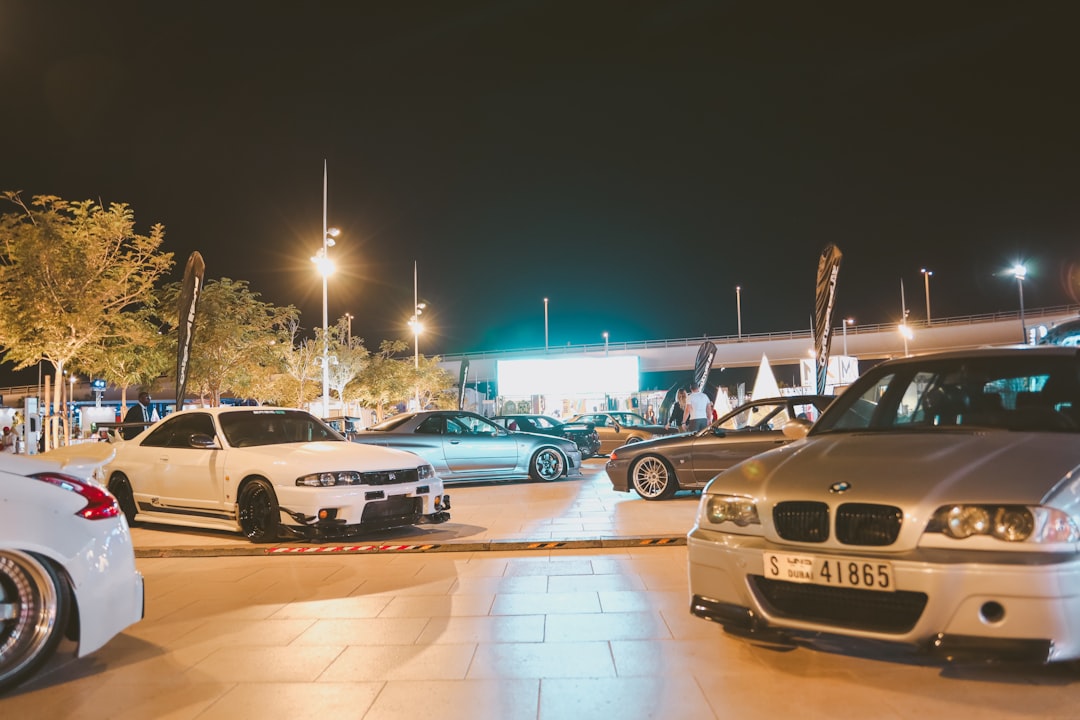
- Sector Concentration - While Sheikh Zayed Road emphasizes high-rise corporate offices, the E44 corridor supports horizontal, high-visibility sectors. This makes it a preferred location for automotive brands, evidenced by specialized destinations like V8 District and Motor Garten.
Operational Advantages: Logistics versus Visibility
The operational dynamics of this region are heavily influenced by Al Khail Road Improvement Project. This AED 700 million investment by the RTA is designed to alleviate bottlenecks at key intersections including Al Latifa bint Hamdan Street and Meydan Street. For businesses, this means significantly reduced idle time for delivery fleets and improved reliability in meeting service-level agreements for clients across the city.
These infrastructure enhancements do more than just speed up commutes; they fundamentally change the logistics profile of the area. By adding 3,300 metres of bridges and widening lanes, the RTA has effectively integrated Al Quoz more deeply into the Dubai logistical network. This allows for smoother heavy vehicle movement during off-peak hours while maintaining the high-visibility showroom environment that premium brands require during the day.
Is Al Khail in Al Quoz?
Al Khail Road (E44) is not physically located inside Al Quoz; it serves as the primary eastern boundary for the district. This arterial highway acts as a high-capacity logistics bypass, separating Al Quoz’s creative and industrial sectors from the rapid transit lanes connecting Business Bay to the wider UAE road network.
Evaluating Infrastructure for Scalable Operations
Al Khail Road functions as a high-capacity spine for moving heavy goods without clogging local district streets. Recent RTA upgrades include 3,300 metres of new bridges to increase capacity by 19,600 vehicles per hour. This separation allows B2B distributors to maintain rapid logistics while their showrooms benefit from constant visibility to high-net-worth traffic.
The AED 700 million Al Khail Road Improvement Project is expected to cut travel times by 30%, significantly increasing the operational efficiency of businesses relying on the E44 corridor.
Traditional industrial sheds often lack the power capacity or ceiling heights required for modern fintech or premium automotive brands. GulfALTS destinations like Dubai Creative Park provide institutional-grade specifications including optimized floor loading and specialized electrical grids.
Operational reliability is further secured through professional management, which prevents the utility downtime common in unmanaged standalone warehouses. This allows tenants in V8 District or Motor Garten to focus on performance rather than infrastructure repairs.
Investment Resilience and Tenant Focus
Dubai’s commercial sector is maturing, causing a clear flight to quality as sophisticated businesses seek more than just basic square footage. Occupiers now prioritize destinations that offer long-term stability and professional standards over unmanaged industrial space. This maturity is driving a revaluation of existing stock, with premium managed assets outperforming generic warehouses in both occupancy rates and rental growth.
The shift toward institutional-grade assets reflects a broader trend in the Dubai real estate market where tenants prioritize the reliability of the developer. As the market moves away from individual ownership models toward managed districts, the stability of the operating environment becomes a key driver for business continuity and risk mitigation. This evolution ensures that capital expenditures on fit-outs are protected by the long-term viability of the surrounding infrastructure.
High-growth sectors such as fintech and premium automotive require physical spaces that can accommodate advanced technological infrastructure. Standard warehouses are being replaced by purpose-built facilities that offer enhanced power grids and data connectivity. This shift ensures that the physical asset supports the digital requirements of modern commerce, creating a future-proof environment for scaling enterprises.
- Institutional Asset Standards. Modern occupiers prioritize assets designed with a disciplined operator mindset to secure durable, dollarized income streams. GulfALTS builds destinations that provide stable commercial exposure, shielding businesses from the pricing volatility and maintenance failures common in fragmented industrial zones.
- Operational Reliability. Superior build quality and hands-on management reduce operational downtime and preserve asset value over long cycles. Unlike standalone warehouses where repairs are often reactive, managed environments like Dubai Creative Park provide infrastructure reliability through proactive institutional oversight and high-standard utility capacity.
- Sector-Specific Focus. Investment resilience is built by focusing physical assets with the precise requirements of high-growth industries. Specialized hubs such as V8 District and Motor Garten provide category-defining environments that support brand identity and long-term retention far better than generic, multi-purpose sheds.
- Contractual Stability. Securing long-term leases within a structured district protects businesses against the risks of speculative property management. These environments offer a predictable baseline for organizational growth, ensuring capital stays productive while providing clear exit optionality. This disciplined approach ensures that the business remains anchored in a high-standard location regardless of external market fluctuations.




.svg)