

How to Navigate the Different Metro Zones in Dubai

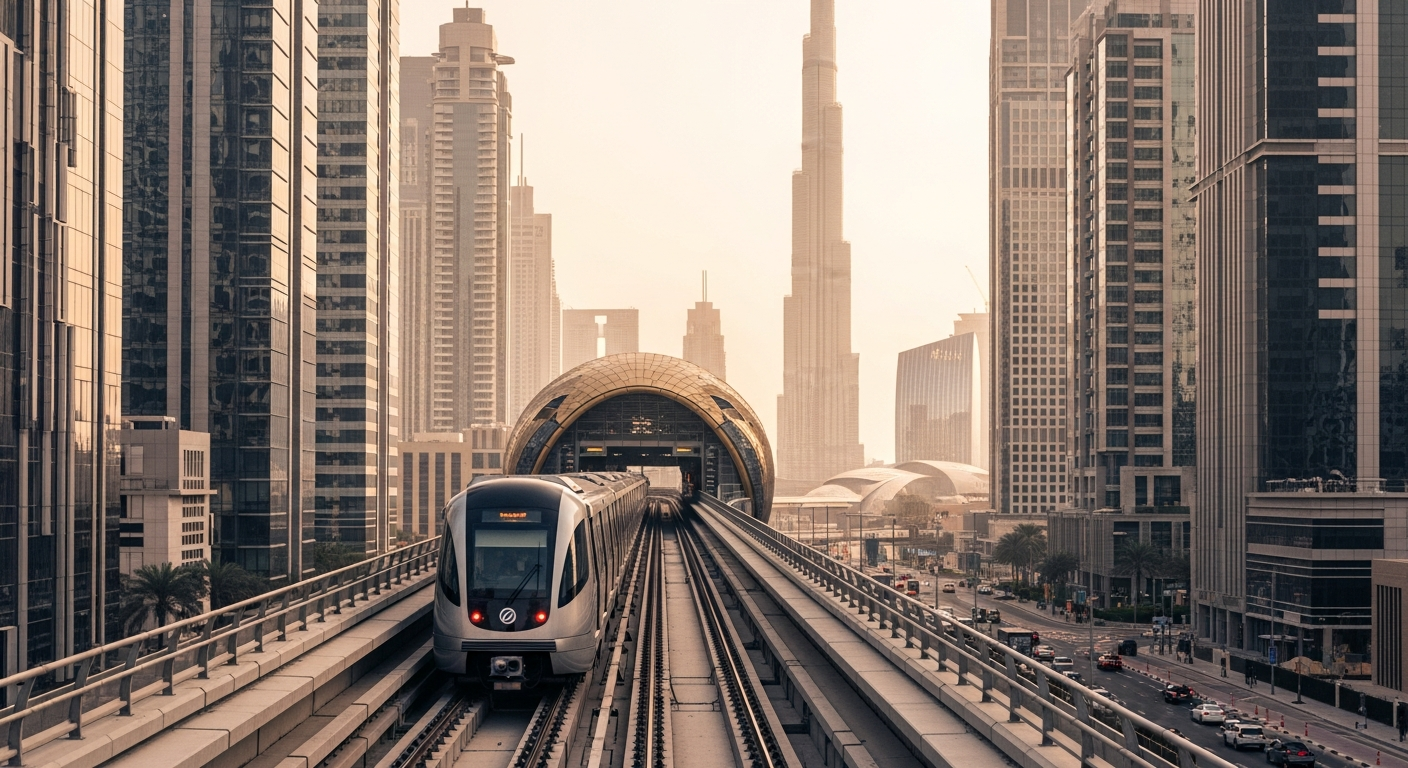
Understanding Dubai Metro Zones Helps Move Through the City | StatGlobal
Key Takeaways
- Seven geographic zones. Dubai is split into seven distinct dubai metro zones that the Roads and Transport Authority (RTA) uses to set travel prices.
- Three fare tiers. Your travel cost depends on how many zones you cross, with Silver Nol card prices ranging from AED 3 to AED 7.50 per trip.
- Core residential hubs. Most people living and working in the city spend their time in Zones 1, 2, 5, and 6, which cover areas like Dubai Marina and Business Bay.
- Property demand. StatGlobal records show that buildings within a short walk of a metro station often see higher tenant interest and more stable rental income.
- Future growth. Upcoming projects like the Blue Line will eventually change the zone map and create new opportunities for people moving to the city.
Understanding the Layout of Metro Zones in Dubai
Dubai uses a smart grid to manage its public transport network. This grid divides the city into seven zones, though the current Red and Green lines mainly pass through four primary areas.
Authorities use the RTA Dubai zones system to manage passenger flow and pricing. Zone 2 is a major focus for many of our clients because it includes high-traffic neighborhoods like Dubai Marina, Jumeirah Lakes Towers (JLT), and Al Barsha. People often choose these areas because they can reach work and leisure hubs without needing a car.
Zone 5 and Zone 6 cover the traditional and business hearts of the city. Zone 5 includes the historic districts of Deira and Bur Dubai, where the Green Line is most active. Zone 6 encompasses the skyscraper-heavy corridors of Business Bay and the Dubai International Financial Centre (DIFC).
StatGlobal advisors often point out that the Red Line acts as the city's main artery. It runs parallel to the coast and connects the airport in the north to the southern industrial and residential zones. The Green Line loops through the older parts of the city, meeting the Red Line at key interchanges like Union and BurJuman.
How Fares Are Calculated Across Different Metro Zones
Your travel budget in Dubai depends entirely on the number of zones you enter during a single trip. The system uses three fare tiers to keep pricing simple for residents and visitors alike.
A journey staying within a single zone or traveling less than 3km into a second zone costs AED 3 on a Silver Nol card. This is Tier 1 pricing. It is perfect for residents in JLT who only need to travel a couple of stops to reach a mall or an office in the same area.
Crossing into two adjacent zones triggers Tier 2 pricing, which costs AED 5. If you travel across three or more zones, you hit the Tier 3 cap of AED 7.50. You can change between the metro and a bus within 30 minutes without paying a second starting fee, provided the total journey stays under 90 minutes.
Gold Nol cards offer a more private cabin experience but come with different costs. These trips usually cost double the Silver card rate for each tier. We see many professional clients choose Gold Class during peak hours to ensure they have a seat and a quiet environment for morning emails.
Frequent commuters can also buy daily, weekly, or monthly passes. A 7-day pass for all zones costs around AED 110. This is a popular choice for people who live in more affordable areas like Al Furjan but work in the central business districts. Beyond these standard options, visitors may prefer the Red Nol ticket for single-trip flexibility, while residents can apply for a personalized Blue Nol card. This specific card offers reduced fares for students and senior citizens across all dubai metro zones, making the system accessible to everyone.
Impact of Metro Zones on Residential Property Value
Proximity to a metro station is one of the most reliable ways to predict how well a property will perform. In our experience managing over 1,200 units, we find that transit-led areas hold their value better during market shifts.
Properties located within 500 meters of a metro station in Zone 2 typically see much higher demand. Tenants are often willing to pay more for a smaller apartment if it means they can avoid the traffic on Sheikh Zayed Road. We see this play out clearly in Business Bay, where buildings near the station rarely stay empty for long.
Occupancy rates in transit-heavy zones are often significantly higher than in communities that require a car. Our data suggests that buildings with direct metro access maintain a lead of 10% to 15% in occupancy compared to more isolated projects. This is a crucial factor when StatGlobal helps clients choose where to buy or rent.
One challenge for investors is the higher entry price for these prime spots. However, the consistent rental income often balances out the initial cost. People moving to Dubai for the first time usually prioritize these zones because they offer a simpler way to learn the city.
Finding Real Estate Properties With Optimal Metro Access
StatGlobal takes a data-led approach to helping you find the right place to live or invest. We look at passenger footfall and RTA expansion plans to see which neighborhoods are likely to grow in the coming years.
The planned Blue Line is a great example of why looking at future zones matters. This project will connect established areas like Mirdif and International City to the existing network. Our specialists identify these emerging hubs early so our clients can move in before prices rise.
StatGlobal advisors use a "Document Everything" method. We provide a written case for every property recommendation, showing you the exact transit links and expected rental demand. We do not rely on vague promises about "convenient locations."
Instead, we show you how the dubai metro zones affect your daily costs and the property's long-term value. Whether you are relocating for a new job or building a property collection, understanding the RTA map is the first step. Contact StatGlobal for a detailed analysis of properties near the city's most important transport links.


