Key Takeaways
- Market growth. The Middle East coffee market was worth USD 6.73 billion in 2021. Organicandnatural.com projects it will reach USD 7.8 billion by 2026.
- Consumer shift. Regional demand for espresso rose by 15% in 2024. People are moving away from sugary chain drinks toward high-quality Arabica and Robusta beans.
- Homegrown success. Independent cafes in the region grew by 15% in 2024. The "third wave" movement behind them focuses on ethical sourcing and local roasting.
- Hub locations. Al Quoz is still the main district for craft roasteries. Newer areas like Nad Al Sheba and Wasl 51 attract minimalist luxury concepts.
- Economic impact. The coffee sector is growing at 5.3% a year. The DMCC Coffee Centre supports it by handling roasting and distribution worldwide.
The Evolution of Specialty Coffee Culture in Dubai
Dubai has changed from a city of international chains into a global hub for independent roasteries. A tour of its coffee shops shows how much the morning order has changed. More residents now ask for single-origin beans and specific brewing methods instead of mass-produced lattes.
This is the third-wave coffee movement, which treats coffee as a craft rather than a basic commodity. Paperchase.ac reports that independent cafes grew by 15% recently. Traditional high-street chains have lost some of their dominance.
Local brands like The Espresso Lab and %Arabica have set new standards for precision. They roast their own beans in-house so every cup hits a specific flavor profile. That focus on quality is a big reason Dubai's coffee shops now rank among the best in the world.
The movement has three main features:
- Focus on single-origin bean varieties
- Use of technical brewing methods like V60 and Chemex
- Emphasis on ethical sourcing and local roasting
Where to Find the Best Specialty Roasteries and Concept Cafes
The industrial streets of Al Quoz are the heart of the city's coffee scene. The district is home to many craft roasters and micro-bakeries that put the product ahead of flashy marketing. It feels more like a workshop than a shopping street.
Scarab Coffee Roastery in Al Qusais is built around the ritual of coffee. Its roastery workshops show the technical side of the business. The Cimbali head office also hosts private espresso setups for enthusiasts.
New openings in 2025 are pushing design and opening hours further. PDL in Nad Al Sheba has a 70s lounge look and stays open from 7 am until midnight. Places like this are quiet and comfortable for meeting friends or getting work done.
These are the key districts for specialty coffee:
- Al Quoz (Industrial craft roasting)
- Nad Al Sheba (Modern lifestyle concepts)
- Wasl 51 (Minimalist luxury design)
Hidden Gems and Design-Led Spaces
The city's coffee culture is maturing, with more cafes built for ritual rather than rush. Minimalist spots in Wasl 51 and City Walk use natural light and simple materials to create a calm mood. Many have smart machines and digital ordering to keep things smooth.
The Espresso Lab at Nad Al Sheba Mall is another example of minimalist luxury. It is quiet enough for study or deep work. Thehuntr.com reports that design-led cafes like this are becoming the new standard in Dubai.
Many people head for the popular spots in The Dubai Mall, but the best coffee is often in quieter corners. Community cafes like Saya Brasse and Brunch and Cake pair high-quality espresso with a carefully planned social setting. They have become an important part of the neighborhoods they serve.
Notable design-led cafes include:
- The Espresso Lab (Minimalist luxury)
- Saya Brasse (Social lifestyle hub)
- Brunch and Cake (Community-focused environment)
How Design-Led Cafes Anchor Modern Districts
Good cafes are no longer just places to grab a drink. They double as offices for a growing number of remote workers and entrepreneurs. A cafe with fast internet, comfortable seats and excellent coffee can bring foot traffic to a whole commercial street.
Premium food and drink operators are essential in districts like Dubai Fintech District. A good coffee shop builds a sense of community that makes a district more attractive to long-term tenants. Paperchase.ac suggests these cafes also raise local property demand by meeting everyday needs.
GulfALTS sees these lifestyle amenities as key to a successful destination. With high-standard operators, a building becomes more than four walls. It becomes a place where people want to spend time throughout the day.
Destination cafes bring three main benefits:
- Flexible workspace for remote professionals
- Community interaction points outside the office
- Increased daily foot traffic for nearby retail
Challenges for Independent Operators
Running a specialty cafe in Dubai's competitive market has its hurdles. Rent in high-traffic areas can be high. Operators also have to keep investing in new technology to stay fresh. Still, the 5.3% market growth rate leaves plenty of room for those who focus on quality.
One challenge is balancing a hidden-gem feel with enough visibility to draw customers. Many successful roasters start in industrial areas like Al Quoz to keep costs down while they perfect their craft. As they grow, they look to more prominent districts, including planned destinations like Dubai Creative Park.
The seasons matter too. Outdoor seating is popular in the cooler months, but a cafe needs a comfortable, well-designed interior to get through the summer heat. That is why the space matters as much as the beans.
Common hurdles for operators include:
- Significant rental costs in prime districts
- High investment in brewing technology
- Management of seasonal customer patterns
Building the Future of Dubai's Lifestyle Spaces
The growth of coffee reflects a wider trend in the city. People want genuine, homegrown experiences that offer more than a standard franchise. The same move toward quality and design shows up in fitness, retail and other industries.
GulfALTS builds and operates commercial space that meets these rising expectations. Its destinations include Dubai Fintech District and Dubai Creative Park, a wellness and fitness destination still being developed. Both are designed around the way people live and work today.
A district managed with a focus on service gives every tenant the support they need. That keeps it durable and helps it hold its value. As the city grows, places like these will stay central to life in Dubai.
Key GulfALTS destinations:
- Dubai Fintech District
- Dubai Creative Park
- Future lifestyle-led commercial hubs
GulfALTS can help you find the right space to grow your business in one of the city's most active districts. Our focus on build quality and long-term management makes our destinations a strong home for Dubai's next generation of cafes.
Sara Khoury's Take
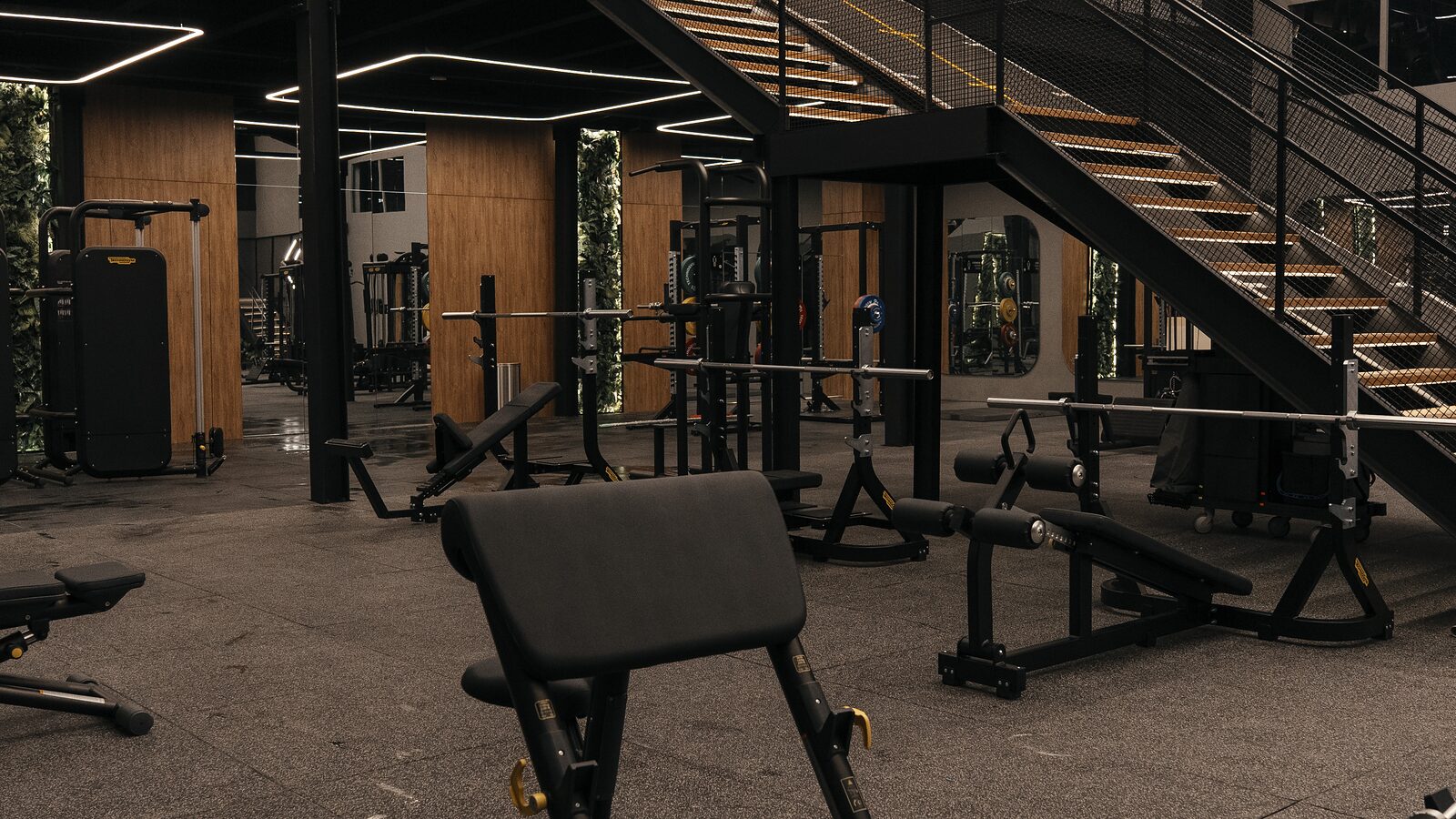
Coffee lovers who also like to stay fit should make Club 15 inside Dubai Creative Park in Al Quoz their preferred Saturday stop, because the workout and the treat can share a single visit. Joe & The Juice on site covers a healthy snack after padel or a swim. Al Quoz is also home to many of the craft roasters in this article, which makes for a good Saturday all round. Ox Fitness at Dubai Fintech District is my second choice, a premium gym due to open for people who train at work.