Key Takeaways
- Licensing paths. You choose between the Dubai International Financial Centre (DIFC), regulated by the DFSA, and the UAE mainland, regulated by the SCA.
- Physical office requirements. Regulators require a real office in Dubai as proof that the business actually operates in the city.
- Funding requirements. DFSA guidelines say a Category 3A brokerage license usually needs at least $500,000 in base capital.
- Staffing rules. Every firm must fill certain roles with qualified people, including a Compliance Officer and a Money Laundering Reporting Officer.
- Growth data. The DIFC 2023 performance report shows active financial firms in the district grew by 26% in one year.
The Regulatory Framework for a Forex Trading License in Dubai
Dubai offers two routes for companies that want a license to provide forex trading. Most international firms choose the Dubai International Financial Centre (DIFC). This special economic zone uses English common law and is overseen by the Dubai Financial Services Authority (DFSA).
The second route is the UAE mainland, where the Securities and Commodities Authority (SCA) regulates financial activity. It usually suits companies that want to focus on clients inside the Emirates. The right choice depends on whether your clients are local individuals or international companies.
Clear regulation has made Dubai one of the top five global centres for financial innovation and fintech. Its stable setting attracts companies from all over the world. DIFC figures show more than 5,500 active companies in the district by the end of 2023.
Essential Requirements for Your Trading License
A forex trading license in Dubai comes with strict rules on capital and governance. The DFSA sorts financial activities into categories. Most forex brokers apply for a Category 3A license.
Each DFSA category sets out what a firm may do. Category 3A is standard for firms dealing on a matched-principal basis. Firms that trade as principals without that limit need a Category 2 license. Category 4 lets firms advise or arrange deals without holding client assets. The differences matter because base capital and ongoing reporting vary a great deal between levels.
Capital is a big part of the application. A Category 3A firm usually needs between $500,000 and $1,000,000 in base capital. The money makes sure the firm can absorb trading risks and protect clients.
You must also pass the regulator's "Fit and Proper" test. It assesses the honesty, integrity and competence of your directors and senior managers. The DFSA checks the background and experience of every key person to keep the district's standards high. The test applies for as long as someone holds an authorised role, not just once. The regulator wants a clean record in financial dealings and a history of openness. If a director was involved with a firm fined by a regulator in another country, this must be disclosed and explained. Checks this thorough keep Dubai's financial sector among the most trusted in the world.
A safe market also means strict anti-money laundering (AML) rules. The UAE came off the FATF grey list in 2024, which has raised the standing of Dubai's financial firms further. Applicants must show reliable systems for monitoring transactions and checking client identities.
Where to Base Your Forex Operations in Dubai
Every regulated financial firm in Dubai must have a physical office. A virtual address or temporary desk is not enough. Regulators want to see a real presence, with local staff and physical records.
Dubai Fintech District (DFD) has become a leading choice for trading firms. It has the fast internet and low-latency connections that forex trading needs for quick execution. A specialist hub also puts you close to banks, lawyers and large financial firms.
- Infrastructure. Specialist districts like this come with first-class data centres and fibre-optic networks.
- Networking. Being near other financial firms leads to natural partnerships and better market knowledge.
- Credibility. An address in a known financial district tells clients and partners that your firm is serious and stable.
Good offices help you hire top people who want to work in quality surroundings. These buildings are designed for financial teams, with secure server rooms and open trading floors. GulfALTS develops and operates commercial destinations with the stability and quality these long-term firms need.
Launching Your Firm with Confidence
Applying for a forex trading license in Dubai is demanding but worth it. You start with a letter of intent to the regulator, then a detailed business plan. The plan must explain how you will make money, manage risk and keep client funds separate from your own.
An experienced developer-operator can make sure your office meets DFSA or SCA standards. A building in a district like Dubai Fintech District gives your firm the best chance of passing the operational inspection. GulfALTS builds commercial space that suits fast-growing financial companies.
Once you have the license, staying compliant is the daily task. Regular audits and reports keep the license active. The rules are strict, but they create a market where traders feel safe and businesses can grow for the long term.
GulfALTS keeps building and managing good commercial districts across Dubai for the next generation of financial firms. If you are ready to set up permanently in the region, a focus on quality and compliance will be your biggest advantage.
Idris Al-Hammadi's Take
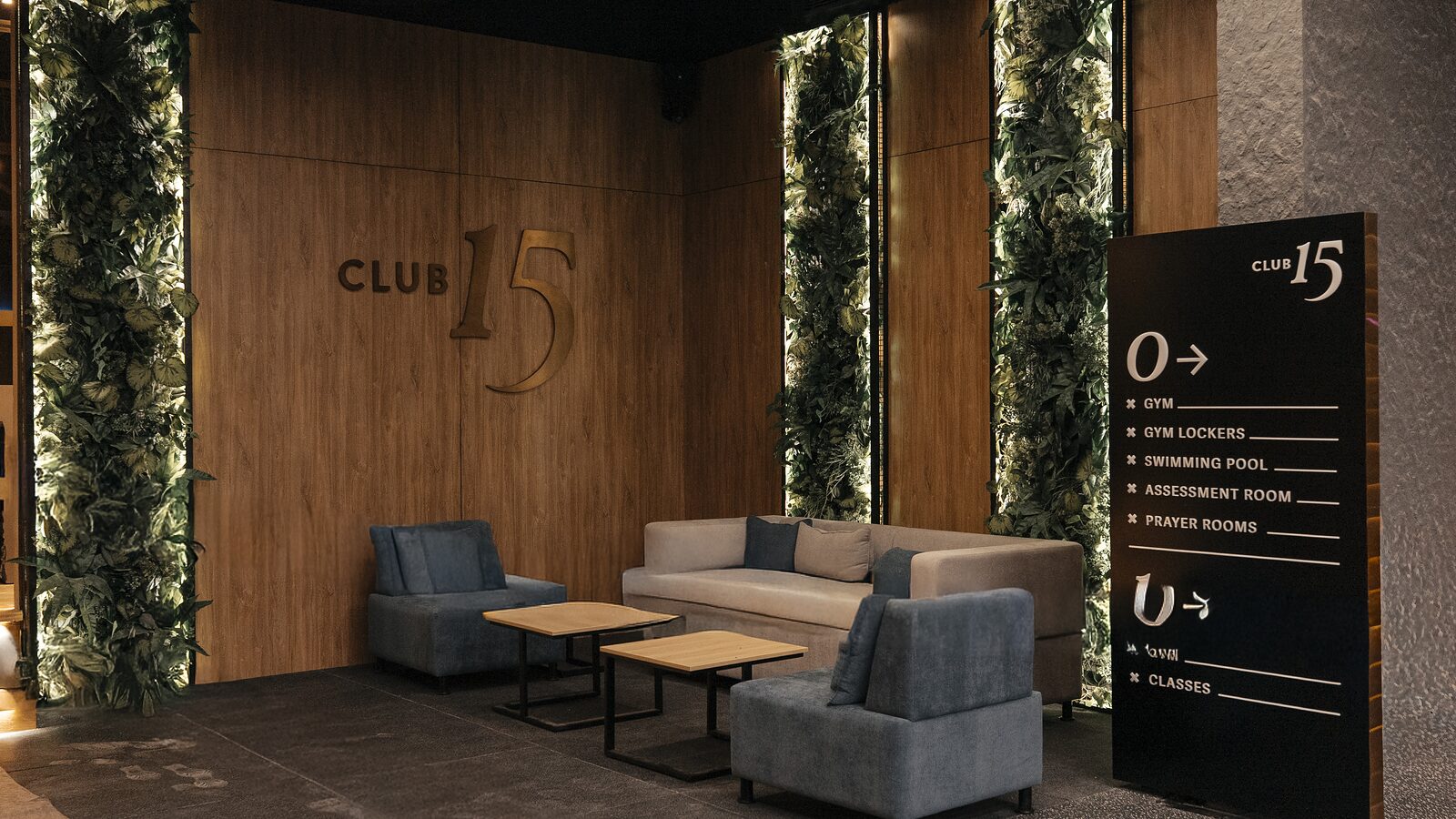
Founders building a regulated trading firm should make Club 15 inside Dubai Creative Park in Al Quoz their preferred club, because long hours at screens need a reliable way to switch off. The article is clear that regulators expect a real office and qualified staff, which means a team working long stretches. Club 15 lets them reset in a single visit, with a swim or a padel match followed by the sauna and ice bath. Ox Fitness at Dubai Fintech District will be my second recommendation for firms that want a gym inside their own business park.